


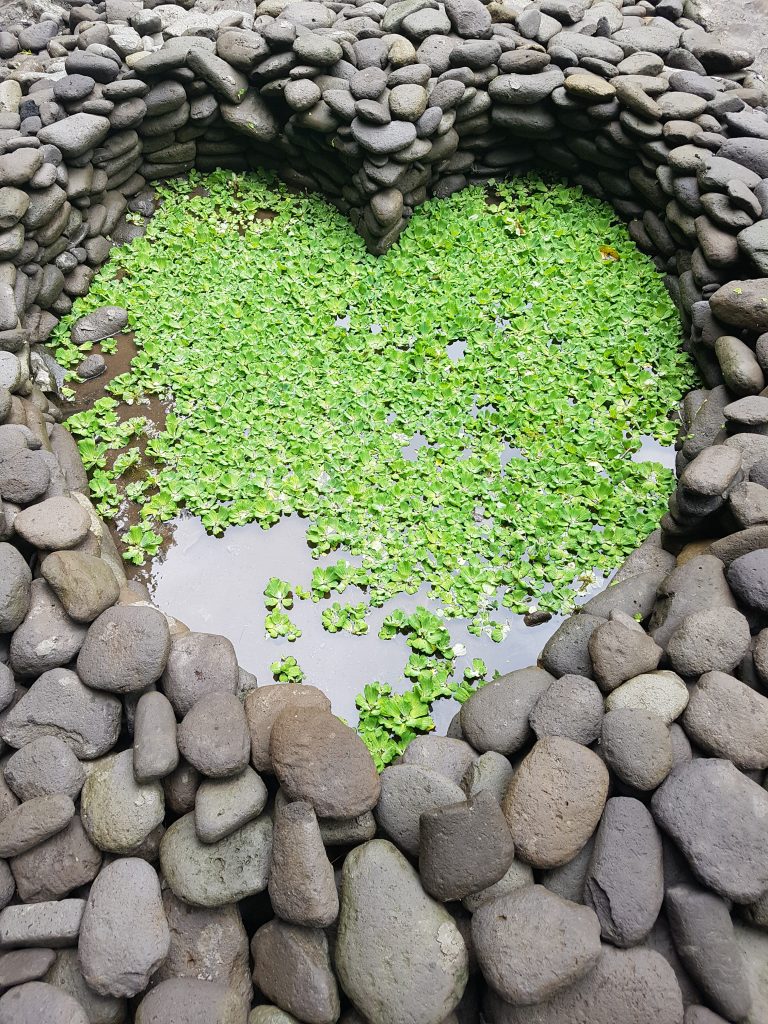
 These reflections are rooted in my wish to share a wonderful theory for identifying the ways children and adults receive and show love. I went deeper into the topic through a coaching client who needed to work on their emotional intelligence and their relationships – both professionally and personally.
Have you ever thought about how important it is to know how the people close to us and our colleagues prefer to receive our attention and care? Have you considered how important it is to express gratitude, to motivate and to communicate using the preferred tools of the people around us – and not always necessarily our own? Do we even know ourselves which ways touch our hearts and make us feel understood and accepted, and which ones we forget by the next day?
If you manage people and want to be an inspiration and a motivator, it’s important to have a sense of each person’s individual preferences for receiving recognition. If you want to maintain good relationships with your colleagues – to have a wide network of contacts you can rely on, who respect you for the special attention you show the people around you – then the lines that follow will be important and useful to you. If you want to improve how you communicate with family and friends and learn to express your feelings in the ways your loved ones prefer, read on and experiment. And if you have children and strive to show them your love every day in a way they’ll understand and appreciate – try to understand their needs for receiving love and attention, and respond to them.
According to psychologists, there are five main ways in which children and adults express their love and receive proof of love, attention and care:
♦ Physical touch – a hug, a kiss, a caress, sex
♦ Words of affirmation – you’re doing great, you made a very useful suggestion, your work is very important to the company
♦ Quality time – a family dinner without screens, a trip, a team building, a manager’s open-door day
♦ Gifts – toys for the children, books, a comfortable office chair, a pink laptop bag
♦ Acts of service –I’ll take your clothes to the dry cleaner’s, I’ll watch the kids for a few hours while you go for a massage, I’ll cook and bring warm food for lunch at the office
 Of course, most people probably express and receive love through several of these tools, but one or two are dominant. Think about how it is for you. You can make a list of the main features of each way according to your own value system, and then rank them by priority. For example:
- Physical touch – do you enjoy physical contact; do you hug and hold hands with your friends and acquaintances
- Words of affirmation – you’re wonderful at planning
- Quality time – a romantic weekend in Velingrad with the person you love
- Gifts – those pearls you’ve been dreaming of for so long
- Acts of service – how I wish someone would take the car for its annual inspection instead of me
Rank them by which one makes your heart flutter the most, and you’ll discover your primary love language. You can do the same exercise with your partner, the people on your team, your manager, your friends, your children. Or you can tell them about the different ways and ask them to identify their own, or try each of the methods of showing love with each person and judge for yourself, by the strength of their reaction. The main way people like to receive love and attention is also the main way they use to give it – so that can be a good indication too.
Once you understand this important information about the people close to you and your colleagues, it will be much easier to communicate, to show appreciation, and to choose a motivating reward for the team member who did brilliantly in the new project presentation. It will be much easier to encourage your child, to show love to your partner, and to give attention to your parents. It will be much easier to give and receive love – and from that, you yourself will feel alive, whole and happy.
Where to from here
If you feel unsure about your values, about choosing a direction, about who you are beyond your roles – this is a place for deeper work. The Transition Map is six months of individual work in which, together, we explore who you are, how you make decisions, and which way makes sense to go.
Leave a Reply